
About La Palma
La Isla Bonita – La Palma – The most beautiful and green Canary Island
San Miguel de La Palma, the full name of the island, is one of the western Canary Islands and is therefore the furthest from the African continent (445 km). At 726 km2, La Palma is the third smallest Canary Island and, like El Hierro, is one of the youngest islands at around 2 – 3 million years old.
The Caldera de Taburiente, with a circumference of 28 km, forms the centre and is one of the largest craters in the world. The Roque de Los Muchachos is the highest point on the island at 2426 m. The greatest east-west distance is 28 km, and in a north-south direction it is 47 km.
La Palma, with its approximately 85,000 inhabitants, belongs administratively to the province of Santa Cruz de Tenerife, just like La Gomera and El Hierro.
Like all the Canary Islands, La Palma is of volcanic origin. The explanation for its formation is now agreed upon: volcanic eruptions on the sea floor and folding pushed the island to the surface, and it now sits on a 4000 m high base. The last volcanic activity took place in 1971 in the south of the island with the eruption of Teneguia. Even today, you can feel extremely hot ground temperatures just below the earth’s surface.
There is hardly any other place on earth this size where you can hike through so many different landscapes: alpine mountains, volcanoes, cloud forests, cliffs and sandy beaches with black volcanic sand.
Amazing Vegetation
La Palma is the greenest of the seven Canary Islands, with 40% forest area.
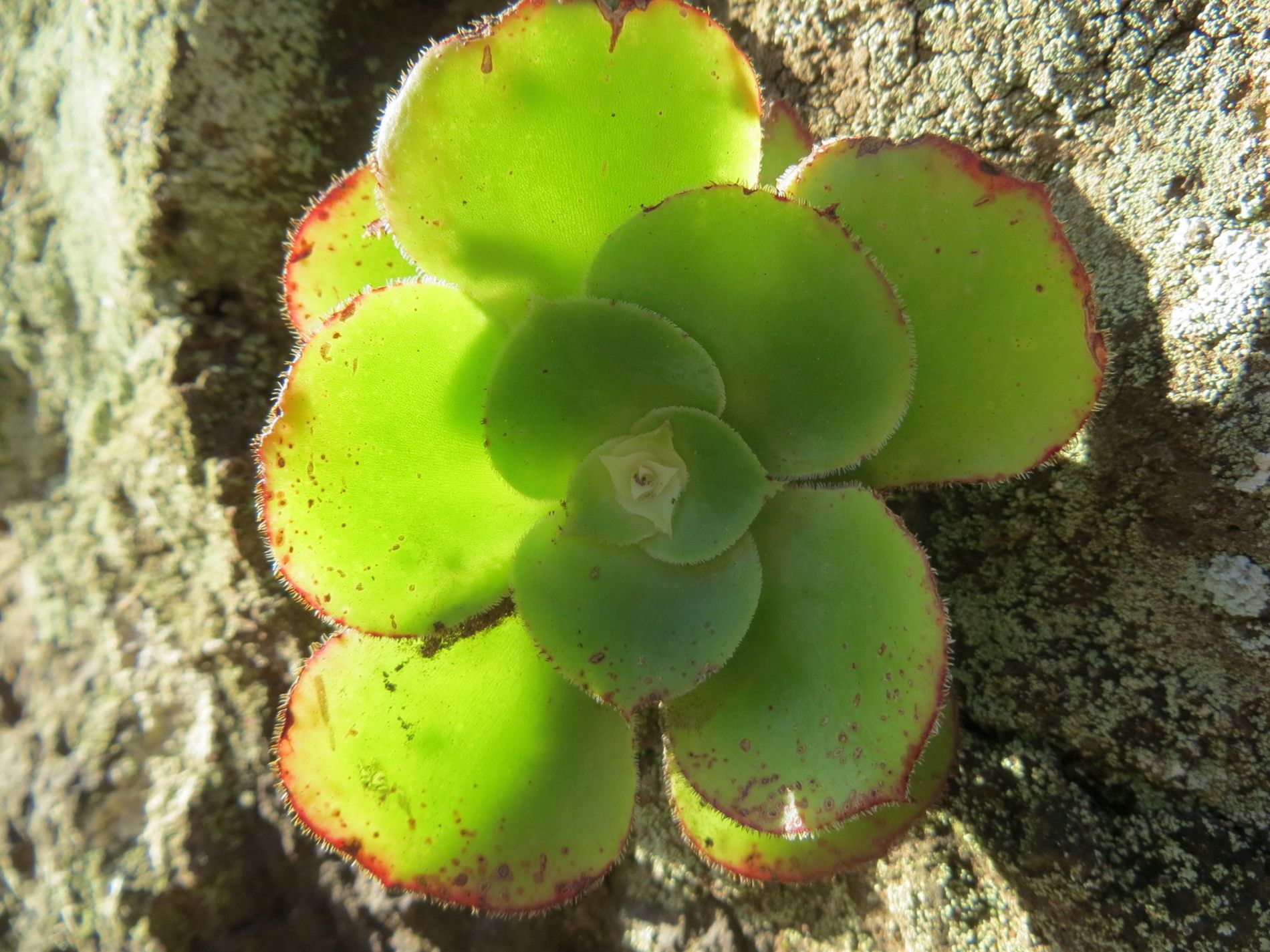
Around 1800 plants grow wild on the island. A third of these can only be found here and nowhere else in the world. To this day, many botanists are on the trail of the diverse fauna that the Canary Island has to offer. Due to the isolated island location, numerous rare plant species were able to develop undisturbed on the brink of climate catastrophe.
The entire island is covered with beautiful ornamental plants such as the hibiscus flower, the poinsettia, the bougainvillea and the strelitzia.
The trophic atmosphere on the “Isla Bonita” is provided by the countless palm trees such as the date palm, fan palm, royal palm… and many more.
The Caldera de Taburiente, with a circumference of 28 km, forms the centre and is one of the largest craters in the world. The Roque de Los Muchachos, at 2426 m, is the highest point on the island.
The greatest east-west distance is 28 km, and in a north-south direction it is 47 km.
La Palma, with its approximately 85,000 inhabitants, belongs administratively to the province of Santa Cruz de Tenerife, just like La Gomera and El Hierro.
La Palma, or also called La isla verde (“the green island”), is divided into four vegetation zones:
From lava fields to Mediterranean dry vegetation to pine forests on the heights and, on the northeast side, laurel forests that resemble the rainforest.
A highlight of the Canary Island and its flora that you should definitely visit is the legendary dragon tree. It is said that the blossom of this lily plant could be used to predict the following year’s harvest, and the tree’s resin was also used to mummify the dead.
Calm Climat – Most Sun in the West
The climate of La Palma is very pleasant and healthy and offers more than just a bathing island. The daytime temperatures are 18 degrees in winter, 26 degrees in summer. La Palma owes this mild climate to its geographical location, its proximity to the African coast (it is 445 km to the Sahara), its large differences in altitude and the trade winds.
La Palma has the ideal weather for travel all year round. This is why La Palma is also called the “Island of Eternal Spring”. A trip to La Palma is particularly suitable for hiking and cycling tours at any time of year.
If you want to make the most of your vacation, you should consider the island’s climate zones. The west side is considered to be sunnier and drier than the east side, which is blessed by the trade winds. The northeast trade winds bring moisture and make the island the most water- and forest-rich and thus the “green” Isla Verde.
In winter, the temperature can drop by about 1 degree for every 100 meters of altitude, i.e., for example, accommodation at sea level has about 20 degrees and accommodation near El Paso at 700 meters has 13 degrees.
The water temperatures, on the other hand, are very mild, so you can do water sports all year round.
| Month | Jan | Feb | Mar | April | Mai | Juni | July | Aug | Sept | Okt | Nov | Dec |
| Day | 21 | 21 | 22 | 22 | 23 | 24 | 25 | 26 | 26 | 25 | 23 | 22 |
| Night | 14 | 14 | 15 | 15 | 16 | 17 | 18 | 20 | 20 | 18 | 16 | 15 |
| Sun hours |
6 | 7 | 7 | 8 | 9 | 10 | 11 | 10 | 9 | 7 | 6 | 6 |
| Water | 19 | 18 | 19 | 19 | 19 | 20 | 22 | 23 | 22 | 22 | 21 | 20 |
| Rainy days | 9 | 6 | 5 | 5 | 3 | 3 | 3 | 3 | 3 | 4 | 8 | 8 |
* mean
Site seeing in La Palma
La Palma North:
Garafia: The biggest event in Garafía is the annual fiesta in San Antonio del Monte in June with the largest cattle market on the island.
Barlovento: 550 meters above sea level is mostly visited by tourists because of the still pristine landscape with deep gorges, green forests, sleepy villages and attractive excursion destinations.
La Palma West:
Los Llanos: One of the most beautiful sights in Los Llanos is the 17th century church (Iglesia de Nuestra Señora de los Remedios). A tour of the town and its alleys is worthwhile.
El Paso: The “Las Hilanderas” silk museum in El Paso is just one of many sights, such as the “El Paraiso” bird park.
Tazacorte: The smallest municipality on La Palma. Tazacorte is an architecturally very attractive town.
Tijarafe: Once a year the “Devil Festival” takes place in Tijarafe, which attracts guests from all over the island. A devil in human form scares people and lets off fireworks.
Puntagorda: The town of Puntagorda is a wonderful starting point for long hiking and cycling tours, either into the interior of the island or along the coast.
La Palma East:
Santa Cruz de La Palma: The capital of the island with an ancient, restored town center that is a listed building.
Breña Baja: South of Santa Cruz, 287 meters above sea level, lies Breña Baja with 4,800 inhabitants.
Breña Alta: The most important sights in Breña Alta are the famous twin dragon trees Los Gemelos and the La Chatita art gallery with exhibits by German and Palmerian artists.
Villa de Mazo: Not only does the farmers’ market attract tourists and locals every weekend, the Corpus Christi festival is also celebrated in such a colorful and elaborate way. – Puntallana One of the most important sights in Puntallana is the Church of St. John (Iglesia San Juan Bautista).
San Andres y Sauces: Typical, but already quite touristy village on the northeast coast of the island of La Palma, which is framed by winding, small streets, a whitewashed village church and beautiful town houses.
La Palma South:
Fuencaliente: has only 250 inhabitants, but is considered the most important municipality in the southern part of the island and combines the richness of contrasts of the entire island.
Your Full-Service Holiday House & Car Rental Agency in La Palma
Please contact us, if you need more information!